
By Kristina Moskalenko
Tourism is fighting for survival—but in the battle for guests, luxury hotels are determined to hold their ground.
The COVID-19 pandemic struck the global tourism industry with unprecedented force—and hotels were among the first to feel the impact. Yet luxury properties found themselves in a relatively advantageous position. Many of the key elements that defined the pandemic-era travel experience—social distancing, heightened hygiene protocols, and an emphasis on controlled environments—were already intrinsic to high-end hospitality.
Still, when it comes to occupancy rates in 2020, there was no global average. Outcomes varied widely, driven by that ever-relevant London real estate mantra: location, location, location.
To better understand how the luxury hotel segment has responded to the crisis, we spoke with general managers from leading properties across the globe. They shared how their guest profiles have evolved, what operational measures have been implemented, and what long-term prospects they see for the hospitality industry.
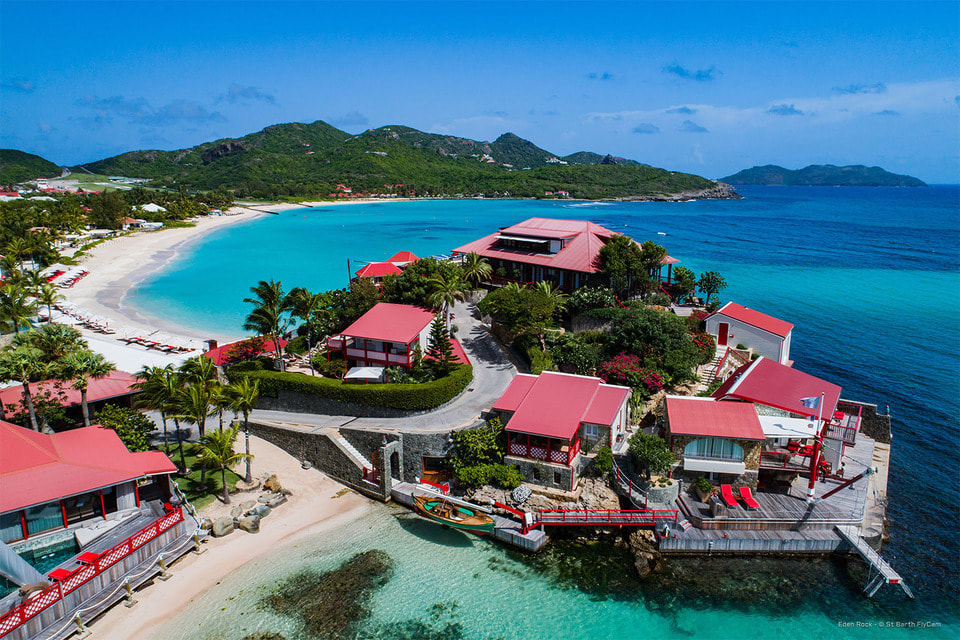
“We’re on the island of St. Barts—there’s really nothing to complain about,” says Fabrice Moizan, General Manager of Eden Rock–St Barths, with characteristic ease. “From 22 March to 22 June, the island was completely closed. Now, to enter St. Barts, travellers must present a negative COVID test taken within three days prior to arrival, and take another test within 48 hours after landing. Arrivals by boat—of any kind—are prohibited. As a result, we’ve had zero COVID-19 cases.”
“We reopened on 22 June, focusing first on our private villas, which come with butlers, private chefs, and concierge services. We pivoted to private aviation—and that proved to be a successful strategy. Guests from the US began flying in immediately. But they’re not our usual clientele. First, they’re families. Second, they’re staying longer—between two weeks and two months. That tells you they’re significantly more affluent. Interestingly, they’re far less demanding than usual. Their only major ask is flexible cancellation policies.”
Alfredo Bataller, founder of SHA Wellness Clinic in Spain, notes that interest in his clinic has grown as well, but logistical challenges remain. “We’ve seen a sharp increase in booking enquiries, but many clients still can’t enter Spain. Our core markets— the US, Russia, and the Middle East—have slowed considerably. But we’re seeing growth from within Europe. There’s increasing demand for villas with in-room treatment facilities. Previously, the average stay was eight days; now it’s ten. We’re also seeing a younger demographic than before.”
Philippe Perd, Managing Director of the legendary Hôtel du Cap-Eden-Roc, has observed a striking shift in guest origin and behaviour. “We reopened on 1 July and reached 70% occupancy. By August, we were at 76%. Normally, about 50% of our guests are American—this year it was just 8%. Russians typically account for 9%, this year only 1%. British guests increased from 12% to 25%, and French visitors rose from 7–8% to 20%.”
“Ordinarily, from June to mid-September, 75% of our guests are return clients. This season, that number dropped to 20%. It was strange not seeing familiar faces. Our staff had to quickly learn the habits and expectations of a different clientele. It’s an entirely new guest mosaic, and I feared it might alter the atmosphere. But the opposite happened—if anything, guests now stay on the property more often. Usually, 50% dine off-site. This summer, they preferred to stay in. I didn’t expect such high numbers—or such a vibrant ambiance.”
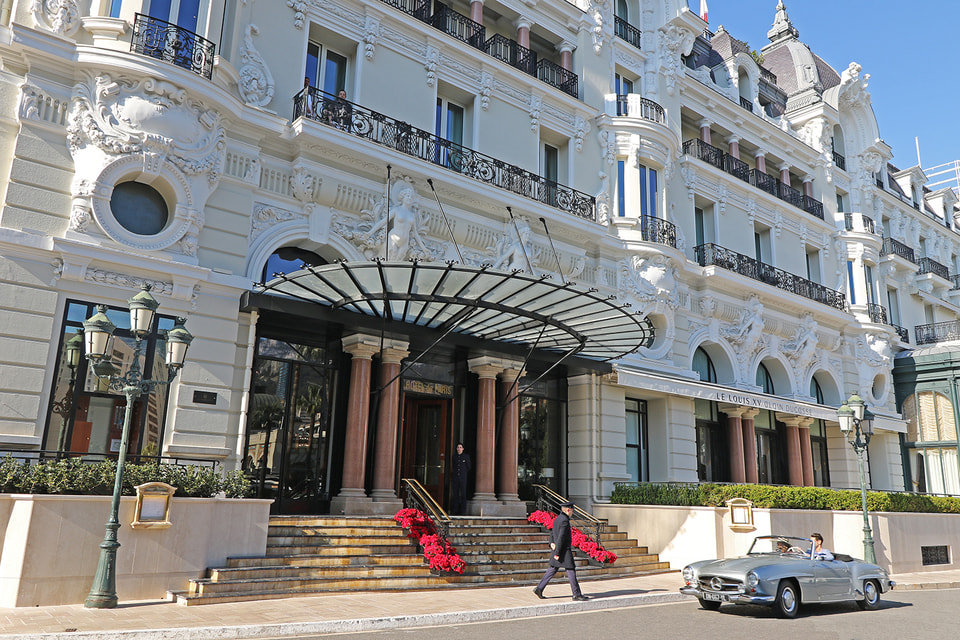
Inside the Quarantine Bubble: How a Monte Carlo Icon Kept Its Luxury Standards Intact
“The market has adapted to the realities of quarantine,” says Ivan Artolli, General Manager of Hôtel de Paris Monte-Carlo. “Our guests from the US dropped by 59%, from Russia by 62%. Long-haul markets like Japan and Mexico fell by as much as 95%. But domestic and regional travel rose sharply: Italian visitors increased by 60%, Swiss by 65%, guests from the Benelux and the Netherlands by 88%, and French travellers surged by 170%.”
“Importantly, we didn’t lower our room rates—which meant we didn’t have to change our guest profile, even though 50% of our visitors were new. We’ve seen a notable rise in families travelling with children. My impression is that many of them came as a kind of reward to themselves after lockdown—a time when they weren’t spending much at all.”
While many hotels shut their doors, Hôtel de Paris never officially closed, even though it stopped accepting new bookings. “At the start of the lockdown, we had 25 guests still with us, including VIPs who chose to quarantine here,” Artolli recalls. “Some stayed in their rooms, others took daily walks. We closed the bars, restaurants, gym, sauna, and pool. But we continued with room cleaning and food delivery.”
“I moved into one of the rooms myself—I wanted to make sure everything was functioning properly. I felt like the captain of a ship who couldn’t abandon his crew or passengers. At first, I missed my things. But over time, I got so used to life at the hotel that I missed it when I returned home. I don’t have a television at home, so I indulged—discovering entire programmes I never knew existed. British photographer Nick Danziger came to document my daily life in quarantine. I hope the photos will be part of a future exhibition.“

Le Bristol Paris Finds Strength in Local Loyalty and European Travel Trends
“We closed on 17 March and reopened on 1 September,” says Luca Allegri, President of Le Bristol Paris. “Parisians love to visit us, and our strongest market—over 50%—has always been Europe. That has put us in a relatively strong position.”
“Our restaurant, currently open only for dinner, is fully booked every night—there’s a real sense of energy. The spa is also in high demand, with no availability most days. We’ve been adapting our marketing strategy in real time, aligning our efforts with the countries that currently have open borders.”
The Lanesborough Reopens Cautiously—But Loyal Guests Lead the Way Back
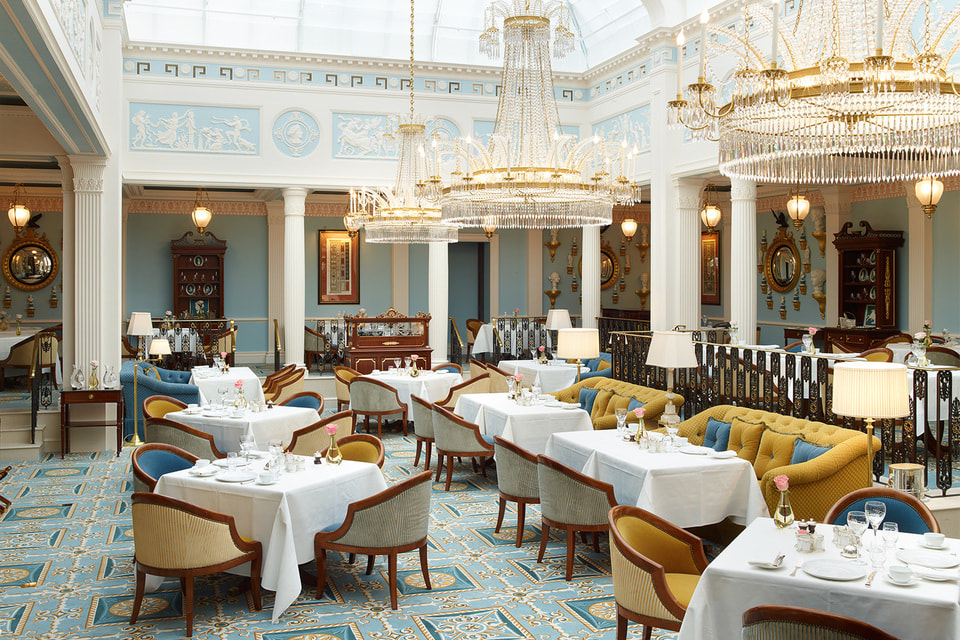
“We didn’t reopen the hotel immediately after the government allowed it,” says Marco Novella, Managing Director of The Lanesborough in London. “There were no international tourists at the time, so we decided to wait two months to observe how the situation evolved.”
“In September, we reopened just the restaurant—and our local residents responded immediately. People have adapted to pandemic protocols and no longer hesitate to dine or drink in public. Travel, however, remained limited. Still, there was a growing sense that the situation was under control. International flights resumed, and slowly, our regular guests began returning.”
“We hadn’t expected them to come back so soon. But in late September and early October, a few of our key clients reached out to reserve rooms, and we reopened the hotel specifically for them—and have remained open since. These are global travellers: businesspeople and families for whom London is a recurring destination.”
Wellness, Space and Familiar Faces: Navigating a Quiet Season
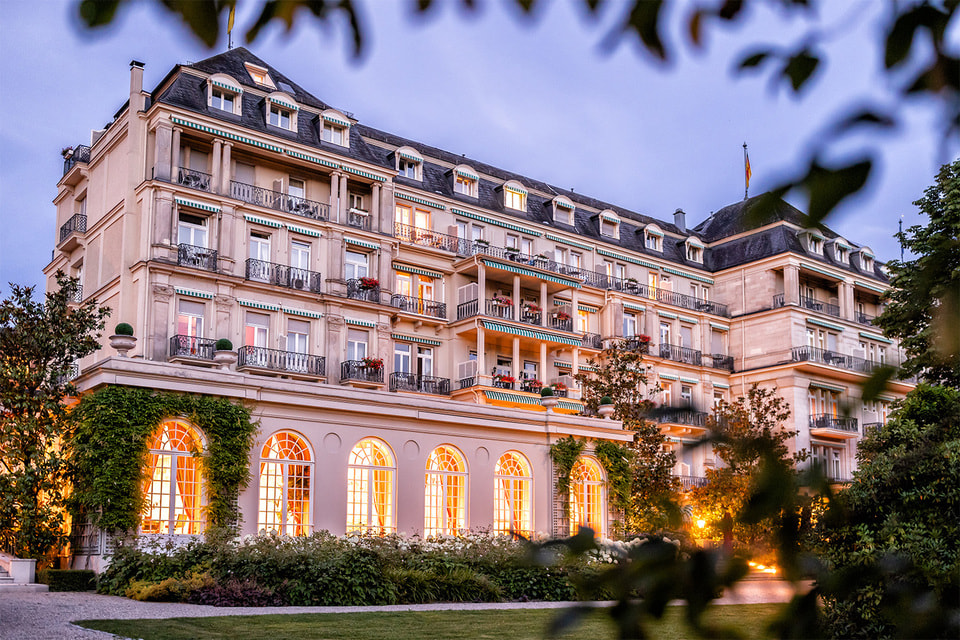
“From a pandemic perspective, Baden-Baden is ideal—we have plenty of green spaces, lots of open air,” says Henning Matthiesen, Managing Director of Brenners Park-Hotel & Spa. “But with concert halls and cultural venues still closed, entertainment options are limited. As a result, we’re seeing fewer guests than we had anticipated at the start of the year. That said, our regular clients still come—at least for weekend stays. The restaurants and bars, in fact, have no complaints.”
When it comes to health and safety, all of the hotels mentioned adhere strictly to the regulations set by their respective governments. Fabrice Moizan of Eden Rock – St Barths puts it simply: “No one even asks whether we disinfect the sun loungers—it’s just a given now.”

Luxury Hotels Go Beyond the Basics in Sanitation and Safety Measures
In the world of luxury hospitality, noblesse oblige means going further than the minimum. Many of the properties mentioned have adopted enhanced disinfection protocols that go well beyond standard government requirements. Ozone machines, thermal screening cameras, UV lamps, and ultraviolet filters built into air conditioning systems have become common features.
At Le Bristol Paris, luggage is disinfected using UVC (ultraviolet-C) technology, and all entrances are equipped with sanitising mats made from high-elasticity polymers. Automation has been embraced wherever possible—from ordering spa treatments or meals via mobile apps to smart elevators that respond to guests’ presence without requiring a touch.
At SHA Wellness Clinic in Spain, everyone entering the grounds must pass through a dedicated checkpoint for a PCR test, with results delivered in just 20 minutes. Staff and administrators are tested daily. “Our aim is to create a secure bubble where guests can feel truly at ease,” says founder Alfredo Bataller. “But we’ve worked hard to make sure it doesn’t feel intimidating.”
At Brenners Park-Hotel & Spa in Baden-Baden, temperature checks are conducted for staff only. The team works in two shifts—if one employee registers a fever, the second team takes over immediately. At The Lanesborough in London, staff change gloves every 30 minutes. “When a bartender prepares a cocktail, they sanitise the glass and the stem in full view of the guest,” notes Marco Novella. “From the guest’s perspective, the experience is unchanged. But for staff, everything is different. Everyone has undergone intensive training.”
From Private Fitness Suites to Immunity Boosts: How Hotels Are Enhancing the Guest Experience Amid COVID Precautions
“While our hotel was closed, we used the time to develop robust hygiene protocols for both guests and staff,” says Luca Allegri of Le Bristol Paris. “The safety of our team is critical, as they are the ones interacting directly with clients. Near the spa and fitness area, we’ve created a series of private workout rooms that can accommodate either one guest or a guest with a personal trainer.”
Not all changes were so subtle. “We had to close our breakfast and lunch buffets, even though they are something of a hallmark here,” says Philippe Perd of Hôtel du Cap-Eden-Roc. “But our guests understood and accepted the measure. As for masks—everyone wears them. I wore one all summer long.”
Perd recalls one early-season episode: “A couple arrived who refused to wear masks. They stayed one night, never left their room, and checked out the next morning. I refunded them, but discreetly blacklisted them—we can’t risk reputational or legal issues over a policy as fundamental as mask-wearing.”
Some luxury hotels went further, crafting bespoke experiences to lift guests’ spirits amid pandemic fatigue. At SHA Wellness Clinic, the focus turned to immunity-boosting treatments, many of them centred around high-dose vitamin C therapy. Meanwhile, The Lanesborough in London launched a new autumn-winter terrace café and began hosting live performances by artists from temporarily shuttered Soho theatres.

From Live Theatre to House-Milled Flour: How Luxury Hotels Reimagined Guest Intimacy in the Pandemic Era
“We analysed the market and realised guests were craving intimacy,” says Marco Novella, Managing Director of The Lanesborough in London. “But intimacy doesn’t mean hiding in your room. It means feeling a sense of privacy even when you’re dining in a restaurant, sitting at the bar, or among other guests.”
In response, The Lanesborough introduced a new weekend series of live entertainment. “People miss the theatre and concerts, so starting on Thursdays through the weekend, we began hosting musicians and small theatre troupes—completely different acts each time. Now, guests can enjoy live music or a performance during dinner, all with social distancing in place.”
At Le Bristol Paris, the innovation is less about new entertainment, more about refining signature experiences that already resonated. “We’ve always been proud of our in-house flour mill, located in the hotel’s cellars,” says Luca Allegri. “We mill our own flour for bread, have our own chocolate factory, and even a cheese room where we produce our own cheese. These artisanal touches were popular before the pandemic—and have become even more valued now.”
But the greatest challenge hoteliers faced in early 2020 wasn’t simply financial loss, refunding cancelled reservations, or planning for mass redundancies. It was the paralysis of decision-making in the face of overwhelming and often contradictory information. “You can’t steer the ship,” one hotelier noted privately, “when the map keeps changing every hour.”
Leading Through Uncertainty: How Hospitality Executives Navigated the VUCA Era
“Young managers have never lived through real crisis,” says Alfredo Bataller, founder of SHA Wellness Clinic. “They’re used to control. But the world has entered what the English call a VUCA environment: volatility, uncertainty, complexity, and ambiguity. Many of my colleagues needed psychological coaching. On the bright side, it brought us closer together. The entire SHA team became like a family.”
For Ivan Artolli of Hôtel de Paris in Monte Carlo, the biggest challenge was instilling calm. “Many people panicked. Staff didn’t know if it was safe to come to work. Guests weren’t sure if it was safe to let someone enter the room for cleaning or food delivery. But in the end, not a single guest or employee got sick. I believe that if you’re prepared to adapt constantly, there’s no problem. You just start working under new conditions.”
At London’s The Lanesborough, General Manager Marco Novella offers a pragmatic conclusion: “We’ll keep working in masks. But if a hotel employee smiles at you sincerely, you can still see it—mask or no mask.”
Private Villas, Flexible Contracts and the Rise of Low-Contact Luxury: What Comes Next for Hospitality
“The only thing that turned out to be easier than I expected was finally taking a day off—after working three months straight,” jokes Fabrice Moizan, General Manager of Eden Rock–St Barths. “But in truth, it was an intense exercise in crisis management. Looking ahead, I believe the contract between client and hotel—or airline—will become more flexible. Guests will expect more in that regard.”
Moizan sees a future in which private aviation becomes more accessible, low-contact service the new norm, and exclusivity synonymous with safety. “No one wants to breathe the same air as one waiter for an egg and another for a coffee. The future belongs to private villas with butlers.”
Originally published in Russian FT / WSJ franchise Vedomosti: https://www.vedomosti.ru/kp/deluxe/article/2020/11/03/845657-turizm-na-grani-vizhivaniya#/galleries/140737489077529/normal/1
 Articles on film, luxury lifestyle, culture and tech
Leave a comment