
By Kristina Moskalenko
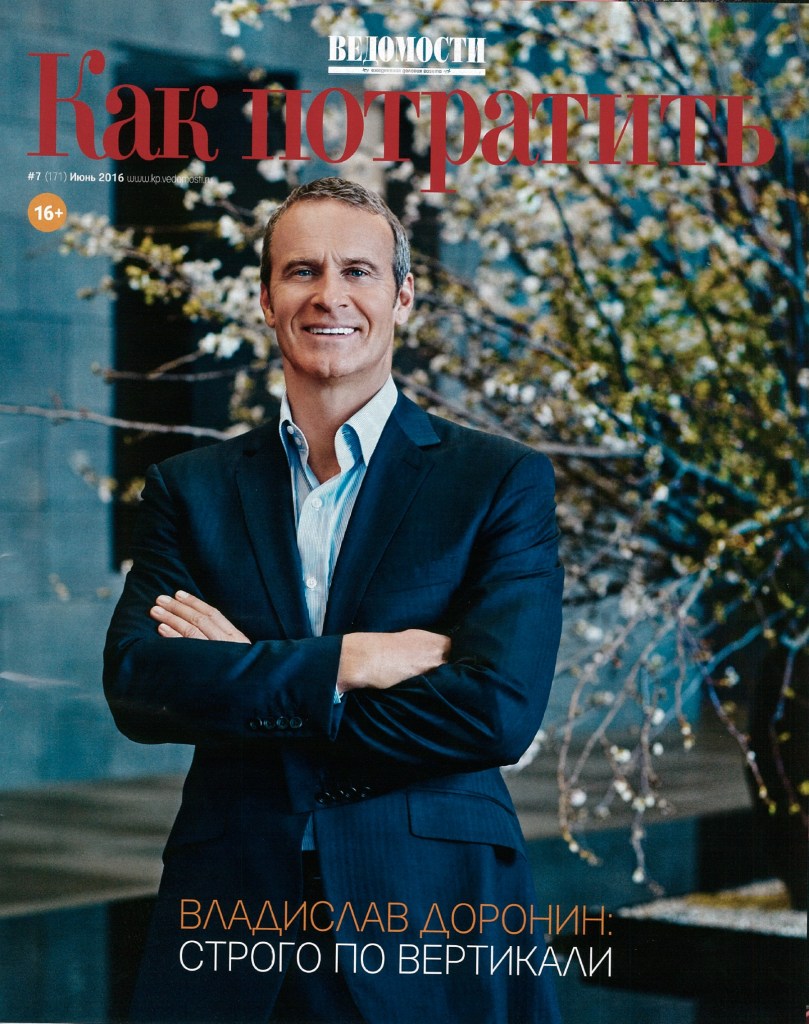
Vladislav Doronin, real estate magnate and owner of the iconic Aman luxury hotel chain, shares his vision for Aman’s future, from bold urban expansion to spa-focused wellness retreats—and why elegant simplicity is the heart of the brand.
Gaining Full Control of Aman: A Legal Battle Won
In March 2016, the High Court in London ruled in favor of Vladislav Doronin, confirming a settlement that granted him full executive control of Aman Resorts. The decision followed a long legal battle involving Omar Amanat, a US-based entrepreneur who had failed to meet his financial obligations after pushing for the 2013 acquisition of Aman for $358 million (including debts).
In court, Justice Henderson described Amanat as having “an established record of dishonesty.” Amanat’s company, Peak Hotels & Resorts Ltd, was later dissolved, and ordered to pay Doronin £12 million in compensation, including legal fees for co-defendant Johan Eliasch.
Aman is now fully owned and operated by AH Overseas Ltd, with Doronin emphasizing: “Mr Amanat no longer has any association or connection with Aman.”
Why Buy a Struggling Hotel Chain?
I met Vladislav Doronin at the London headquarters of the Aman hotel group, tucked into an elegant corner of Mayfair. A mirrored elevator opens into a space quietly perfumed with the scent of lime, basil, mandarin, and sea salt. Doronin is energetic and sharply focused. Outside, the spring light falls across Hedonism Wines boutique and the Phillips auction house—fitting neighbours for a brand steeped in luxury.
My first question is by no means original. It is, in fact, the question everyone has been asking. But it remains unavoidable:
Why take on a hotel chain burdened with debt—especially when the acquisition unraveled into a courtroom saga in London, replete with allegations, forged documents, and a tone more suited to melodrama than mergers and acquisitions?
“I first stayed at an Aman hotel in 1990 and was genuinely impressed,” Doronin begins, setting aside his smartphone. “It was Amanpuri in Thailand. They pronounced my name correctly, recognised me on sight—but at the same time, I experienced total privacy, almost as if I were at home. No one asked me to sign a bill, no one expected tips, and service was available around the clock—from a world-class spa to a fully equipped gym. Extending or changing a booking took only seconds.”
From that moment on, he says, he became a committed devotee of the Aman experience. “Whenever I travelled, the first thing I’d check was whether there was an Aman nearby. There’s even a name for people like us—Aman junkies. I’m one of them. No matter the destination, if there was an Aman, that’s where I stayed.”
Travel, he adds, remains one of his greatest passions. “I’ve been almost everywhere, and yet I never tire of it.”
But for Doronin, Aman isn’t just a passion—it’s a strategic fit. He is quick to point out, Aman is no trophy asset. The brand’s exclusive resort properties, villa sales, and recent urban hotel ventures complement his real estate empire.
From Resorts to Cities: Aman’s Vertical Expansion
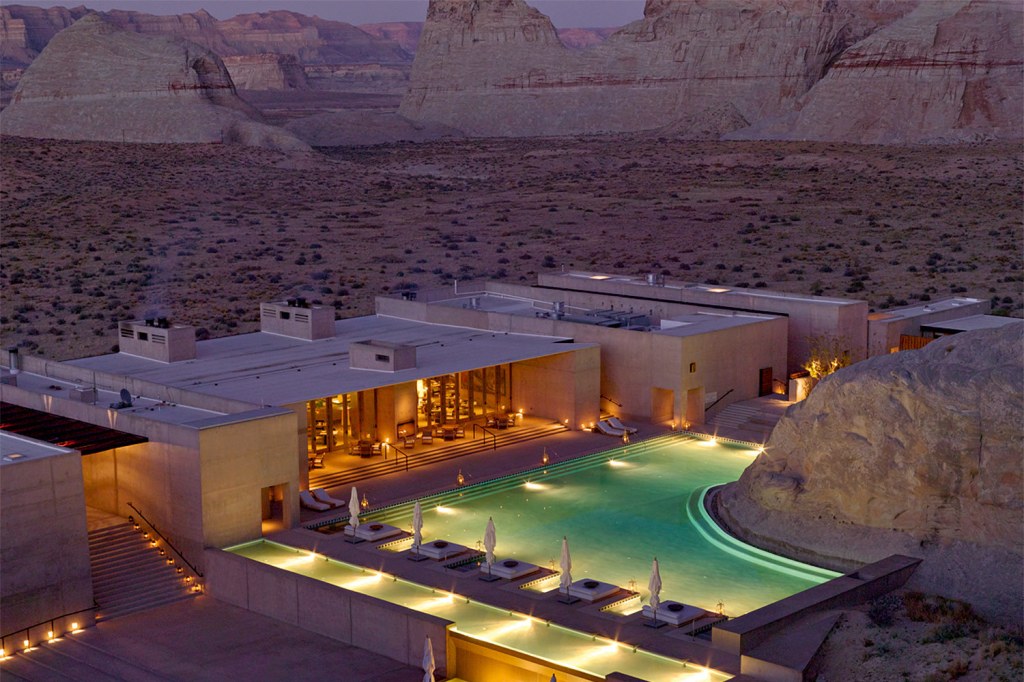
Aman’s traditional growth strategy has centred on the development of high-end resort properties, where accommodation takes the form of standalone pavilions. The group also offers villas for private sale, which remain under Aman’s long-term management—ensuring brand consistency and service standards.
A more recent strategic direction involves urban expansion, with the construction of city-based hotels that include branded residences.
“I acquired Aman because it’s a top-tier luxury brand with massive growth potential,” he explains.
So, if Doronin was buying a watch brand, would the same logic apply—choosing only the very best, based on personal preference?
Doronin laughs. “If we’re talking watches, I like Patek Philippe. And if the brand were available at the right price—I might consider buying it.”
One of his first actions after acquiring the group was a sweeping restructuring. Senior management was replaced—“because the company was being run with antiquated methods”—and significant investment was channelled into both existing assets and new developments. A new website alone cost $1.5 million.
His main strategy? Urban expansion. None of Aman’s existing properties were sold following the acquisition.
“My strategy,” Doronin explains, “is to grow the brand in major global cities. To create the same Aman—but vertical, not horizontal: the same impeccable service, the same refined Asian-inspired design, the same sense of sanctuary you get at a resort—only in the heart of a metropolis. This is the future of the brand, and I’m personally involved in building it with a new team. I see strong growth potential, and I’m fully committed.”
Since acquiring Aman, Doronin has overseen the opening of four new properties: Amandayan in China, Amanera in the Dominican Republic, Amanemu in southern Japan, and Aman Tokyo—the brand’s first-ever urban hotel. He also launched Amandira, a luxury sailing yacht offering bespoke cruises through the Indonesian archipelago for up to ten guests, and introduced a private jet programme, enabling curated, high-intensity travel itineraries that connect multiple Aman destinations across continents.
“The first urban Aman opened in Tokyo in December 2014,” Doronin says, scrolling through photos on his phone. “And it was an immediate success.”
The acclaim was swift: in 2016, Wallpaper magazine named Aman Tokyo the Best New Hotel. Its spa was recognised by the Tatler Spa Awards, while the Amanzoe spa in Greece was named Most Zen Spa by American Express Travel.
Occupancy rates reflect the brand’s momentum: Aman Tokyo’s first-year performance exceeded the luxury industry average, which Fortune places at around 76 per cent. Before Doronin’s takeover, Aman’s average occupancy hovered closer to 30 per cent.
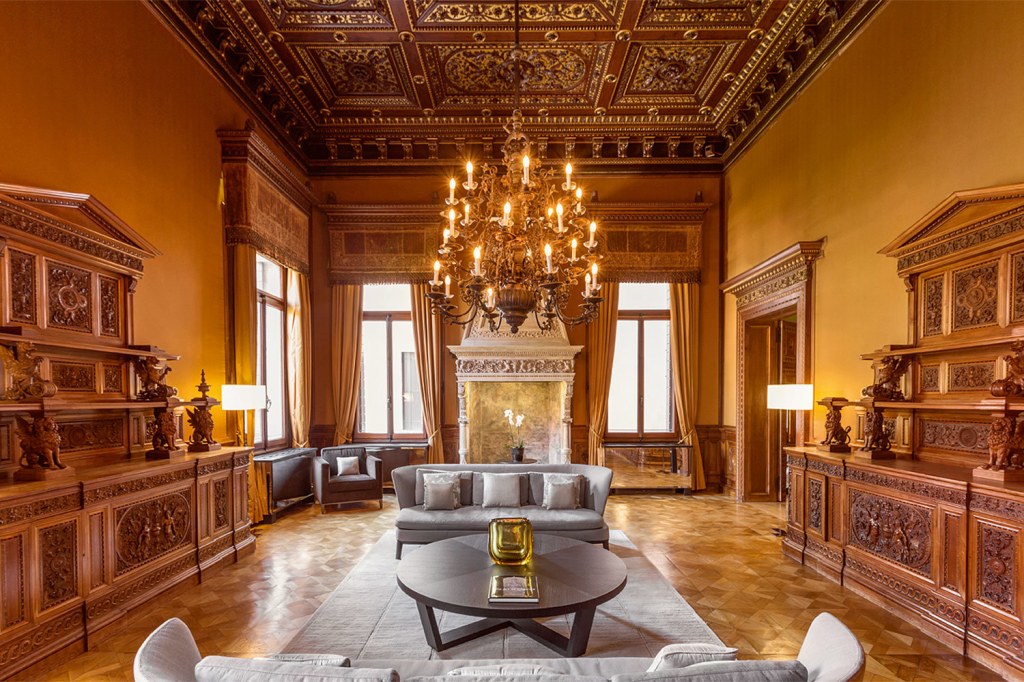
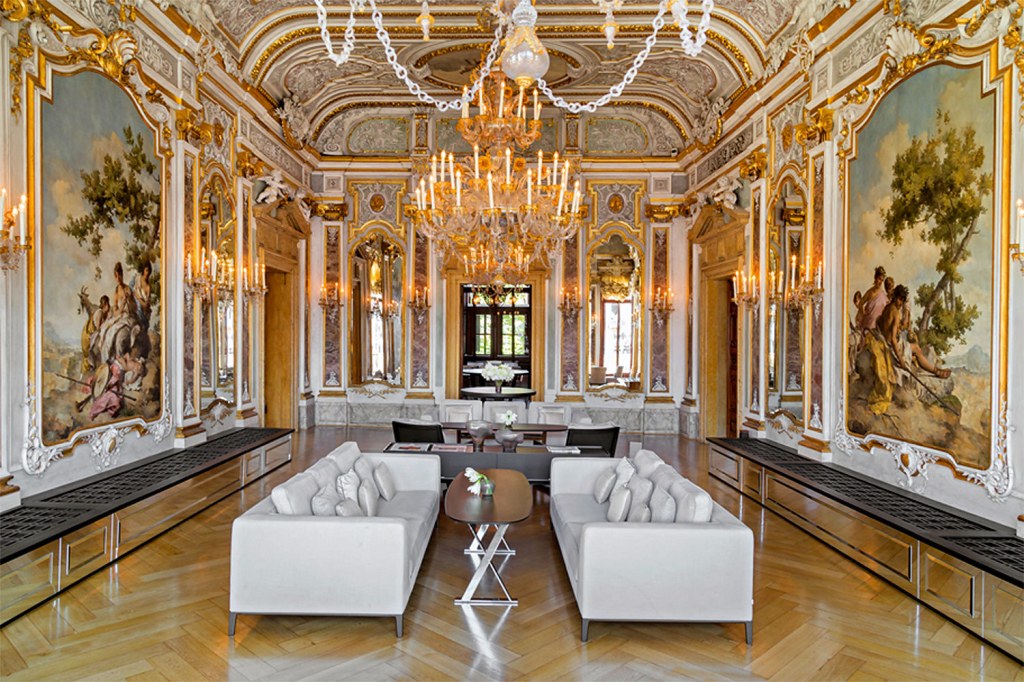
“A friend who owns hotels in the U.S. called after visiting Aman Tokyo. He told me, ‘You should double your rates—I’d still pay.’ Aman’s performance metrics are truly exceptional,” Doronin notes. “More than 50 per cent of our guests return—a rarity in the hospitality sector. In some properties, such as Aman Venice and Aman Sveti Stefan in Montenegro, gross operating profit has increased by approximately 50 per cent.”

Wellness, Simplicity, and the Aman Way
Aman’s design DNA—contemporary Asian minimalism, natural materials, and understated elegance—remains untouched. But the brand is now also leaning into holistic wellness with specialized retreat programs across several resorts.
At Amanpuri (Thailand), Amanbagh (India), and Amanoi (Vietnam), guests can book 5- to 21-day programmes that include:
- Ayurvedic and holistic spa therapies
- Stress relief and detox
- Guided weight-loss and fitness regimens
- Spiritual practices, including sessions with Bhutanese monks
“We recently supported schools and nurseries in Bhutan. These monks don’t care about material things, but they value our commitment to local communities.”

Design Without Compromise
Aman has always been known for ambitious design. The founder, Adrian Zecha, once spent $350,000 per room—a figure Doronin says may even be modest by today’s standards.
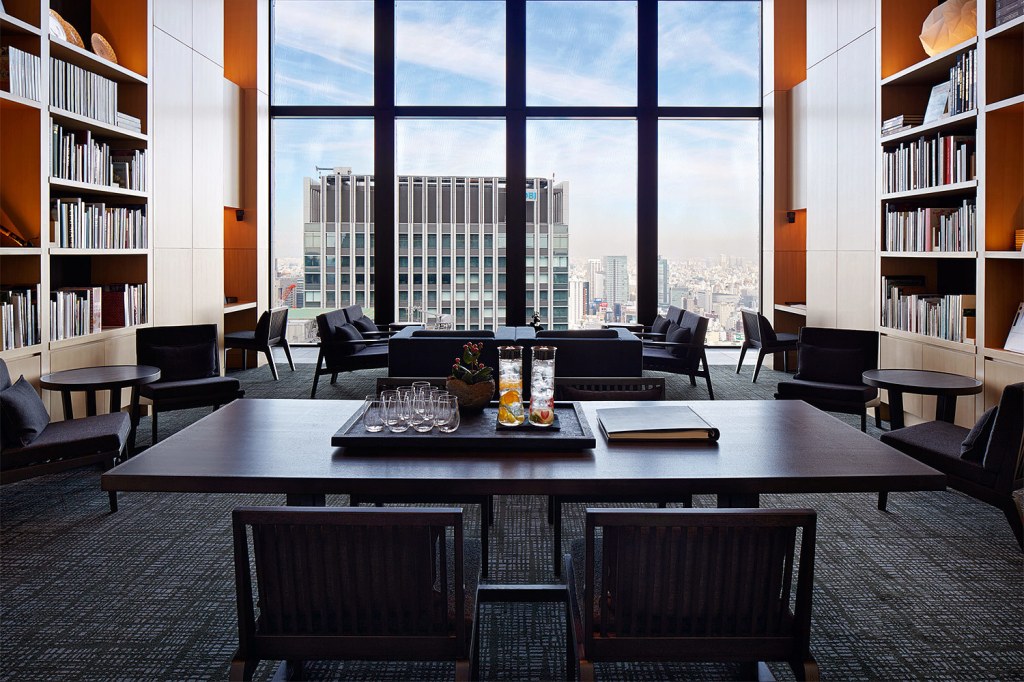
“When you factor in architecture, design, and construction, that figure can be higher. For example, at Aman Tokyo, Kerry Hill Architects created a seven-storey open lobby that feels like being inside a Japanese lantern. It’s opposite the Imperial Palace—we didn’t compromise on anything.”
What’s Next for Aman?
Doronin is actively scouting prime real estate for new urban Aman hotels in:
- New York
- London
- Paris
- Hong Kong
- Singapore
- Shanghai
- São Paulo
- Mexico City
“The location must be iconic—like being across from the Kremlin. If we don’t find the perfect site, we wait. I’ve been in real estate for 25 years. Location is non-negotiable.”

Originally Published at Russian FT / Vedomosti supplement “How to spend it”:
Copy at Vladislav Doronin personal website: https://www.vladislavdoronin.com/news-about-vladislav-doronin/news-vedomosti-vladislav-doronin-the-skys-the-limit/

 Articles on film, luxury lifestyle, culture and tech
Leave a comment