By Kristina Moskalenko
Cannes, France — Cannes, the pinnacle of cinema’s most prestigious gatherings, remains a place where the lines between reality and spectacle blur. It’s a festival where the allure of the red carpet often eclipses the films it was meant to celebrate.
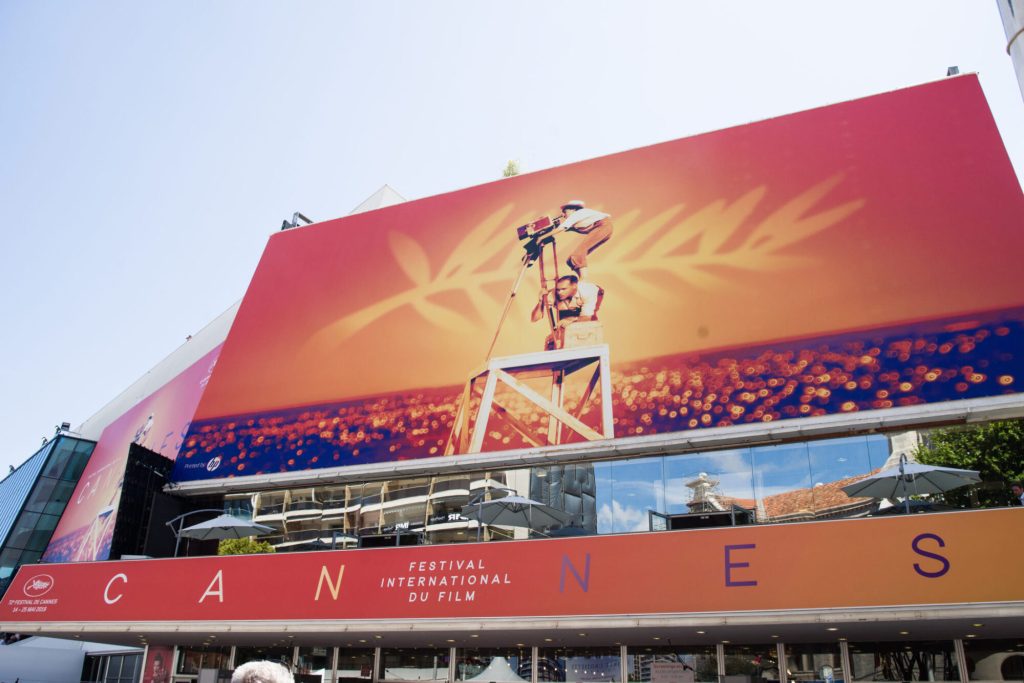
For many, Cannes is an annual pilgrimage—a chance to immerse themselves in the fantasy. Some locals save for months to hire extravagant cars, don white jeans and pointy shoes, and spend the week living out their dreams of opulence. Others, many of whom have lived in the region for decades, can only watch from the sidelines. Standing outside the Palais des Festivals, clutching signs begging for tickets, they hope for a glimpse of the films that remain inaccessible to the “ordinary” French. Inside, it’s the industry elite, global stars and all sorts of influencers, who occupy the coveted seats, leaving those outside at the mercy of the elements.
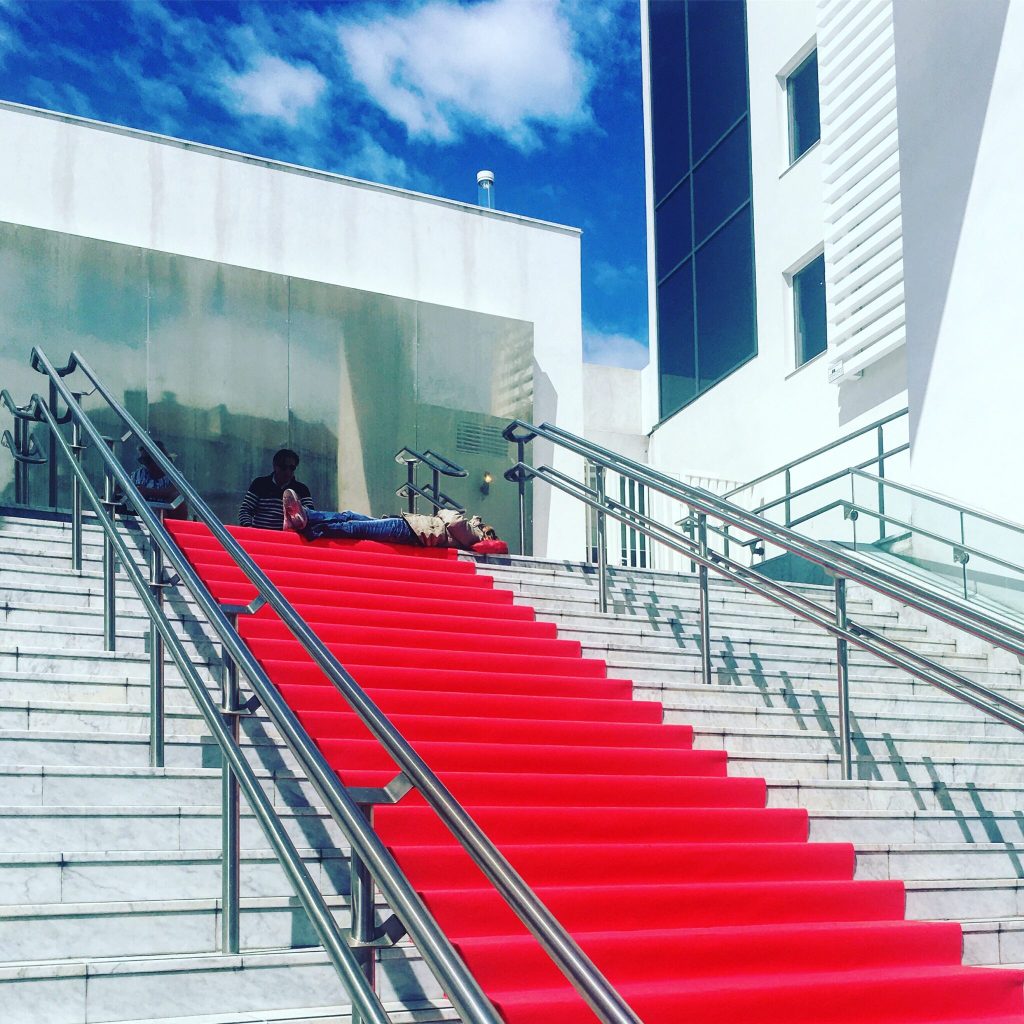
But don’t lose heart—there’s always the “red carpet” at the train station. Some festival-goers have been known to slip into glamorous dresses at the nearest Starbucks, add a touch of glitter, and pose for photos right there. The shots, cleverly framed, often pass as authentic red-carpet moments. The festival doesn’t seem to mind; it’s all part of the show.
Trend Alert: Asia’s Rising Star Power at Cannes
This year, Cannes saw an influx of Asian stars. The red carpets were graced by film divas and models with distinctly Eastern features.
It seems the festival—renowned for setting the tone in regional cinema—has taken a firm step towards embracing the East. Riding the wave of Asian appetite for European luxury, it is now both reflecting and amplifying the growing global interest in Asian art. And, naturally, Asian investors.

Chinese supermodel Sui He lit up social media in a sunshine-yellow Versace gown—a striking nod to both the festival and the brand’s Italian heritage. Her appearance signaled something fresh: new faces for this traditionally Western affair, bold colour palettes, and cultural references wrapped in shades of yellow.
Cannes and the Art of Democracy: No Quotas, Just Cinema
Before presenting the Palme d’Or, jury president Alejandro González Iñárritu—ever the eloquent Mexican auteur—repeated not once, but three times, that the winner is chosen by secret ballot. He also reminded the audience that, unlike in many corners of the modern world, democracy is still alive and well at Cannes.
The message was clear: no quotas, no economically motivated decisions—just pure, unadulterated art.
Parasite Wins Palme d’Or: A Social Satire Without the Clichés
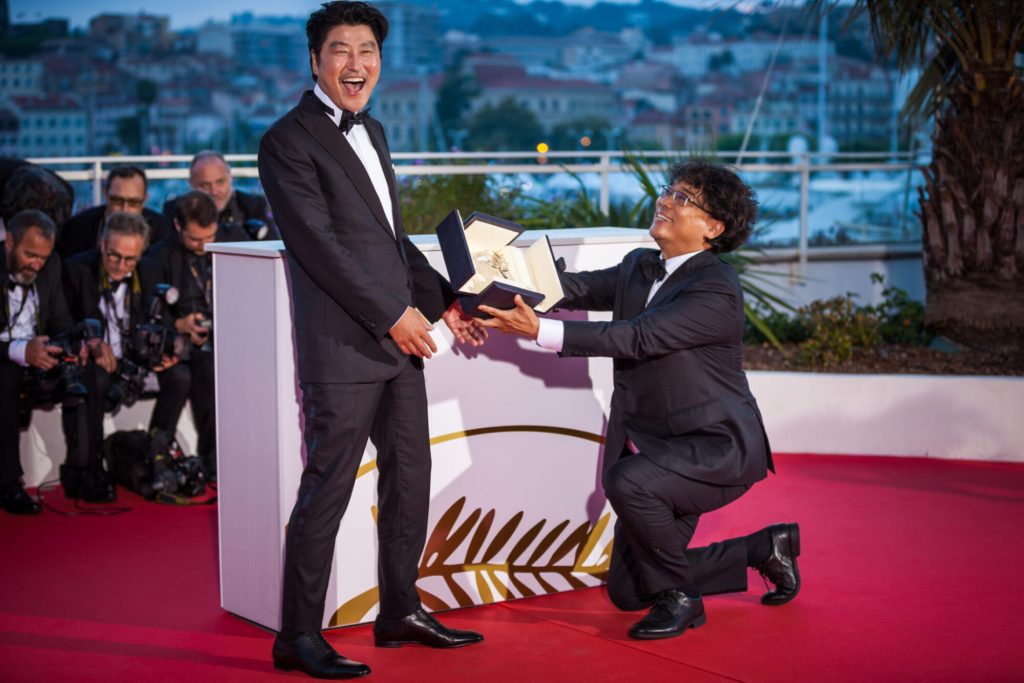
The Palme d’Or ultimately went to South Korean director Bong Joon Ho for his genre-defying film Parasite—a razor-sharp tale of two families: one rich, one poor. The latter do what they must to survive, but not in the overwrought, misery-drenched fashion so often favoured by film festivals.
There are no alcoholic taxi drivers clutching porn star photos in broken-down cars, no ex-cons beating drug-addicted wives who live with three-legged dogs, transgender sisters with oversized implants, mafia brothers trafficking undocumented women, all somehow without jobs, education, phones, appetites, or hope—just a tattered Britney Spears poster clinging to the inside of a cupboard door as a relic of a dream long dead.
No, Parasite is a different beast. Unlike many of the heavy-handed social dramas that flood the Croisette, here, the struggle for survival is laced with dark humour. The characters hustle, adapt, and improvise their way into the lives of a wealthy family living in a minimalist glass house with a private forest. One by one, the entire clan infiltrates the household under false pretences, embodying the ultimate bourgeois nightmare: opportunistic intruders from a so-called “elite agency,” willing to do anything to make a quick buck—even provide art therapy for imagined mental afflictions in a world where no one really understands art anymore.
No Victims, No Villains: Why Parasite Hits Harder Than Most Social Dramas
Bong doesn’t preach. He doesn’t pick sides or tug at heartstrings. There are no heroes or villains. Instead, he draws you into both worlds with such empathy and nuance that you begin to see how deeply intertwined—and startlingly alike—these two families truly are.
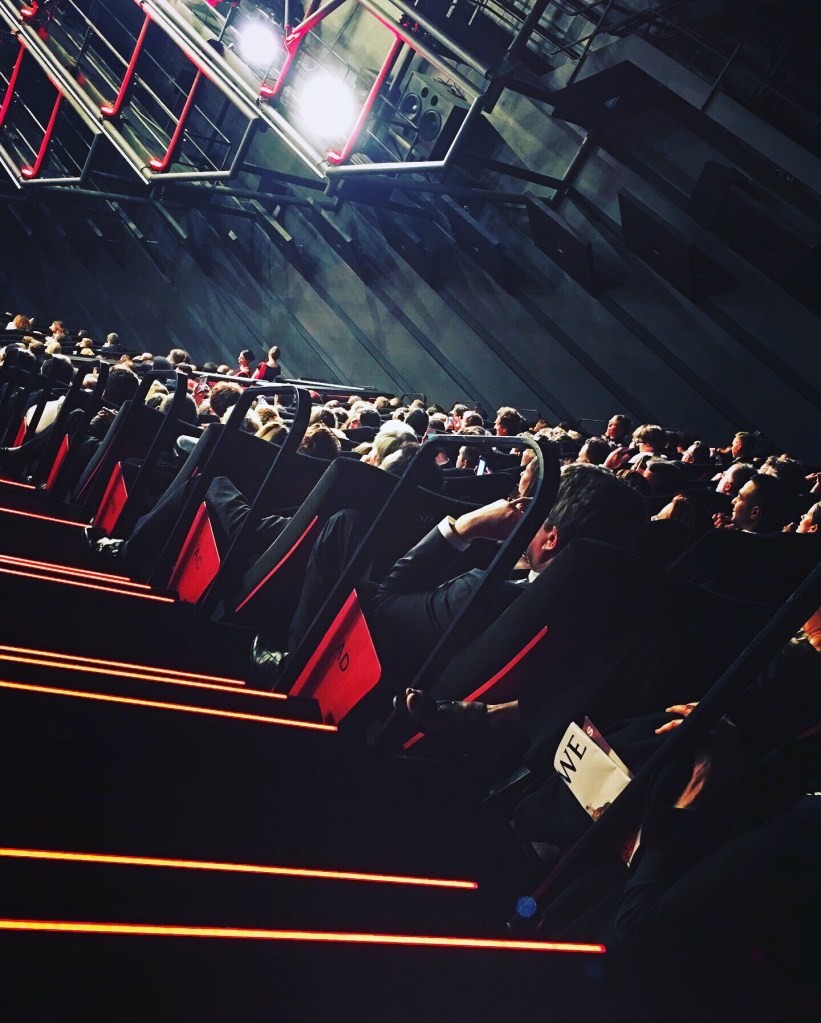
The film is gripping, rhythmic, fresh, and visually sharp—every bit the worthy heir to the recent global fascination with Korean cinema. Speaking of which, if you’re keen to broaden your horizons, look no further than Train to Busan, another South Korean gem that premiered at Cannes in 2016. Directed by Yeon Sang-ho, it’s a gloriously unhinged zombie apocalypse thriller that is emotional, absurd, oddly moving—and relentlessly entertaining. All aboard. Doors closing. Next stop: the trend.
So it’s little wonder this was one of those rare Cannes moments when jury members, critics, and audiences were in perfect harmony. Parasite received a thunderous 15-minute standing ovation in the famed Auditorium Louis Lumière—home to the official competition screenings and festival ceremonies.
In short: no meddling from Moscow (just joking), democracy duly upheld, and not a whisper of geopolitical favouritism toward economically ascendant Asia. Parasite is hitting cinemas soon.
Gatecrashers: Creativity Meets Chaos
So how about those infiltrating Cannes themselves? Gatecrashers have turned sneaking into Cannes events into an art form. Disguises range from pregnant women with an “urgent need for the restroom” to individuals claiming lifelong friendships with the ever-elusive “Mr Smith,” who conveniently appears on every guest list. Others name-drop obscure B-list directors or lesser-known celebrities like boxer David Haye, banking on security’s inability to recognise them. Their creativity is, admittedly, impressive.
Once inside, they head straight for the tables, snapping pictures of abandoned menus and floral arrangements to craft the illusion of attending exclusive dinners. It’s brazen and audacious, but this uninvited crowd often goes unnoticed by security, serving as a curious buffer between the red-carpet elite and the serious filmmakers who prefer to avoid the spectacle entirely.
Why Celebrities Don’t Stay Long
For celebrities, Cannes events are fleeting. They make brief appearances, pose for a few photos, and retreat to waiting cars. Staying longer risks being caught in an endless flurry of selfies and small talk. While some adventurous A-listers linger to soak in the excitement (and rumours afterwards), most prefer a quick escape.
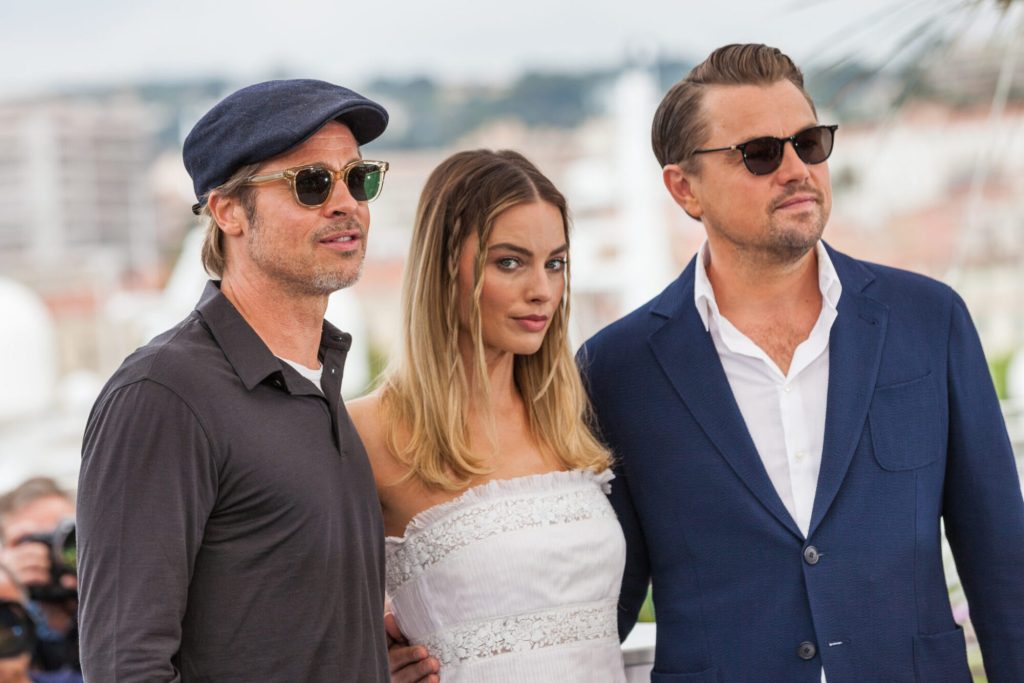
The festival’s wild energy has also made some iconic venues rethink their involvement. Take Château de la Napoule, for instance. Once a hub for glamorous Cannes parties, it no longer hosts festival bookings. The aftermath of these events—trampled bushes, ruined floors, shattered glass—is chaos reminiscent of World War II, when the château was used to safeguard artwork. Nowadays, it sticks to hosting weddings and Cannes Lions, which, they claim, are far more manageable.
A New Vibe for Cannes Parties
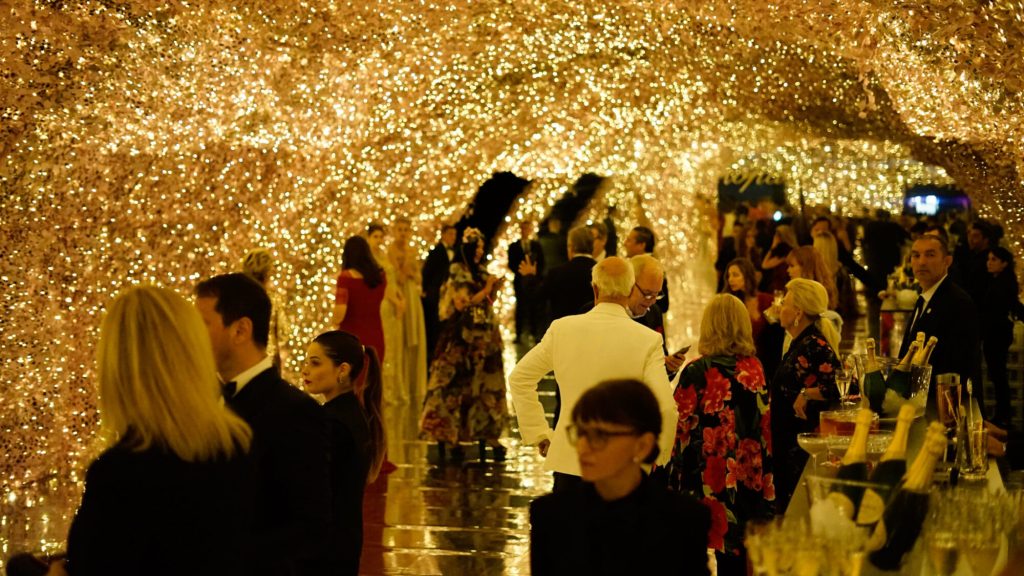
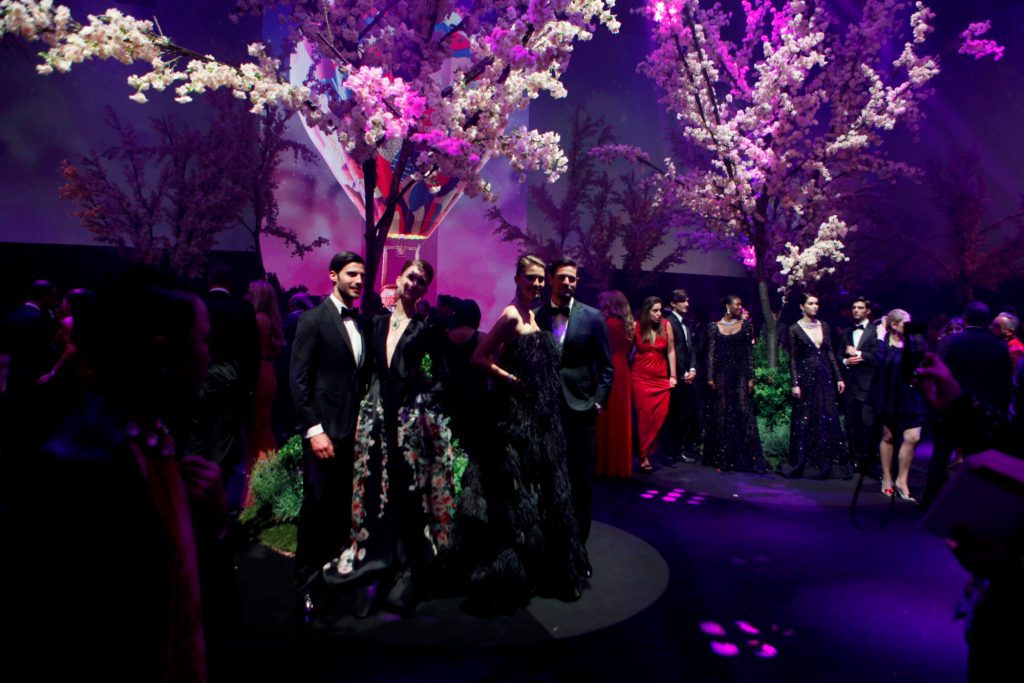
Gone are the days of opulent villa banquets. Cannes parties now exude a more laid-back, hipster vibe, even for luxury brands like Chopard. This year La Palestre arena, for example, is drenched in neon pink lights, adorned with gold foil, and lined with mirrors and fake cherry blossom trees—a selfie enthusiast’s dream. Cigarette smoke lingers in the air, and Mariah Carey either lip-syncs or performs live; it’s often hard to tell.

Meanwhile, young, beautiful women hold onto their dreams of glamour. After a few drinks, they’re twerking in Chopard necklaces—a juxtaposition of high luxury and carefree fun.
As the night unfolds, the energy ramps up. DJ Cassidy spins hit after hit, Madame Shoifelle twirls in neon pink, and champagne flows in abundance. The women, glowing with highlighter and confidence, shine as brightly as the décor. A successful Cannes party? It’s all about the right DJ, endless drinks, flattering lighting, and an Instagram-perfect selfie spot.





The Red Carpet: A Wild Spectacle
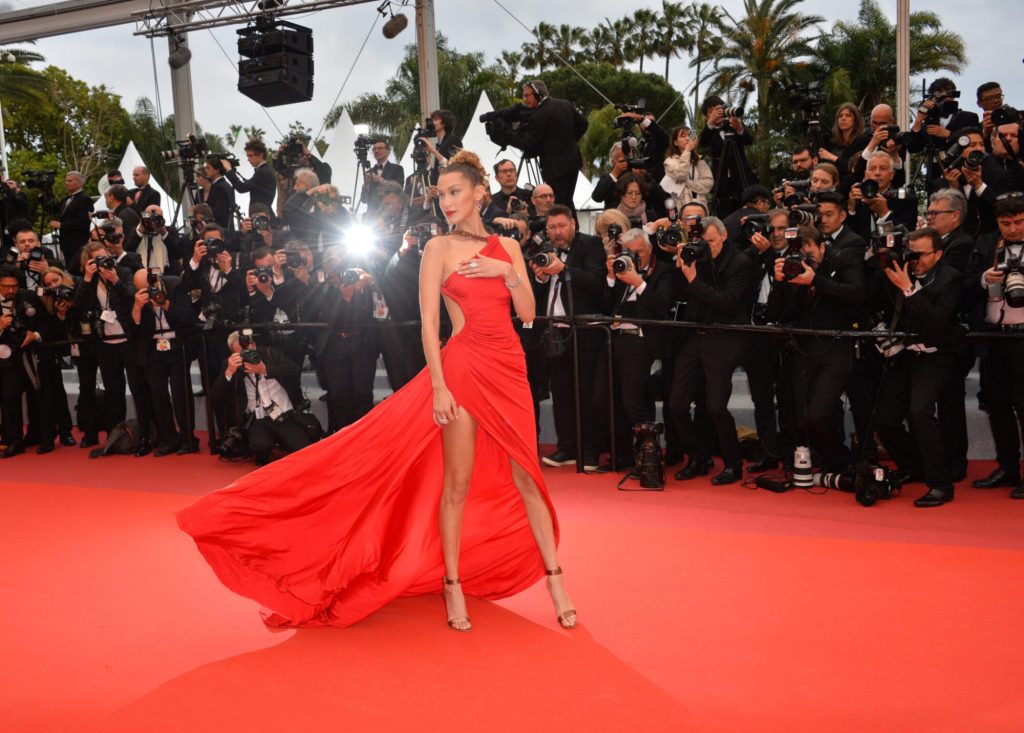
And what of the red carpet? It’s becoming an unpredictable show, nearly impossible to control. Imagine being invited to a screening of a Diego Maradona documentary, only to find yourself walking alongside a woman in a green dress spinning wildly for photographers. She teeters dangerously on her heels, blowing kisses and puts her dress up and up and more up as guards attempt to usher her along.
At some point the cameras accidentally caught her underwear on the big screen in the iconic cinema. The audience gasped, but she seemed unbothered, even lifting her dress herself to flaunt the spectacle. By the time the cameraman regained composure, she had somehow made it to her seat. These chaotic moments often steal the spotlight, detracting from the sophistication of the films being celebrated.
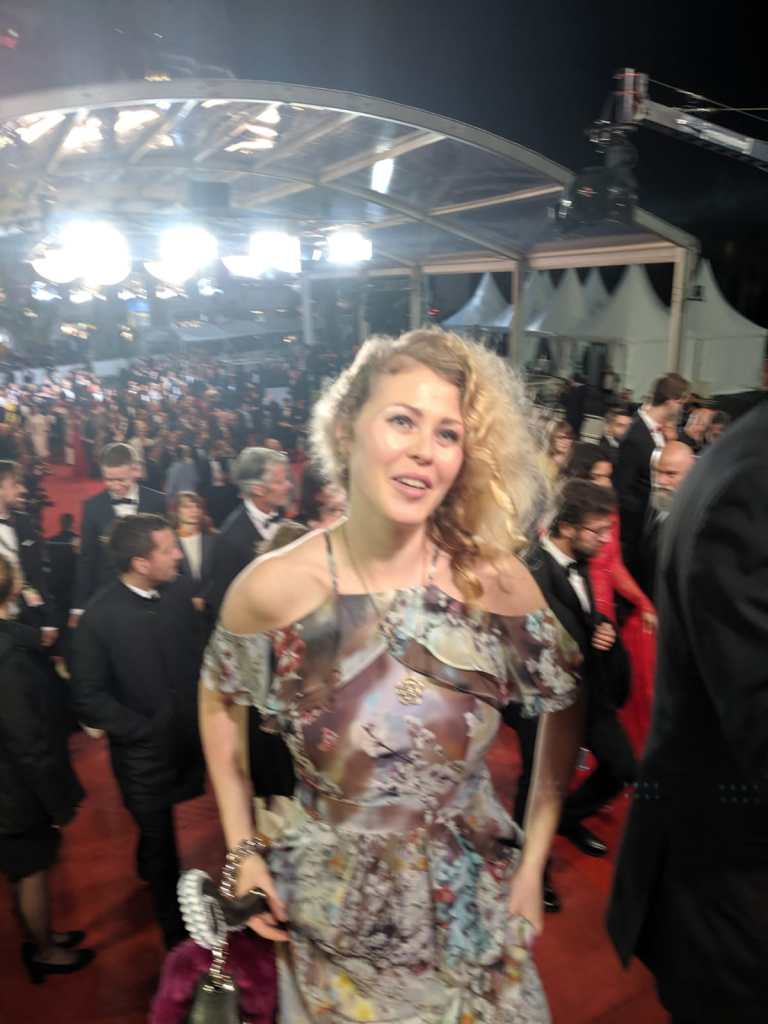
Bur still, red-carpet rules remain strict. Sneakers at Cannes? Absolutely not.
“Cannes is the perfect excuse to showcase a wardrobe of Haute Couture gowns—where no one bats an eye.”
— an attendee shares her take on the festival’s sartorial delights.
“For us, Cannes is less about the screenings and more about reconnecting with old friends, meeting new faces, and living the Eden Roc life.”
— says another festival-goer, encapsulating the true spirit of the event.
“Cannes isn’t just about glamour and parties—it’s about work. I represent several brands, wearing their dresses to various events, constantly running from one to the next, all while making sure I look my best.”
— reveals another attendee, balancing business with style at the festival.
“This year’s festival saw a truly diverse crowd, from seasoned critics to young influencers. I especially enjoyed Pedro Almodóvar’s Pain and Glory, Xavier Dolan’s Matthias & Maxime, the Dardenne brothers’ The Young Ahmed, and Quentin Tarantino’s Once Upon a Time in Hollywood.”
— reflects a guest, highlighting the standout films that made an impression this year.
Women at Cannes: Progress in Style
Still, many lament that the parties just aren’t what they used to be: fewer celebrities and more bloggers. The exclusive is blending with the mainstream. A prime example is Kendall Jenner’s neon pink dress, presented at the AmFAR event to launch the collaboration between Giambattista Valli and H&M. There’s no issue with the dress itself, other than the fact that it bears a striking resemblance to a neon-pink dress from Molly Goddard’s recent collection.
But the bastions of tradition are not giving up easily: fashionable sneakers still aren’t allowed on the Cannes red carpet, yet a dress that might raise an eyebrow (sometimes due to its daring nature, sometimes due to its unclear origin) is allowed. By the way, there has been some progress in evolution, as women are now allowed to wear flat shoes on the red carpet, whereas before, high heels were a must. However, if one arrives without Louboutins, it’s a gamble—one might be allowed entry only through the back door.

Cannes: Glamour Meets Substance
But beneath the glittering façade, Cannes remains rooted in its true purpose: celebrating cinema. While the red carpet dazzles, the real action happens behind closed doors, where directors, writers, and producers strike deals and form collaborations. This quieter, more serious side of Cannes feels far removed from the chaos, grounded in meaningful work.
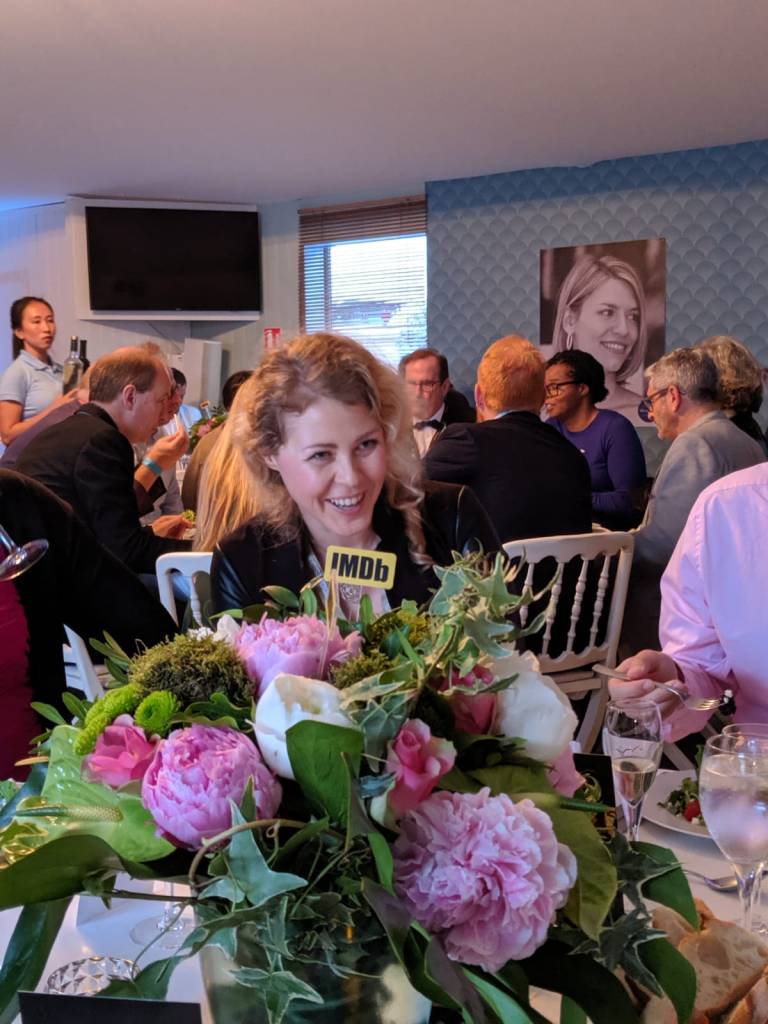
Take the Coutts yacht, for instance. Here, legendary British director John Irvin might recount stories from his days at the London Film School, his collaborations with icons like Patrick Swayze and Arnold Schwarzenegger, or his film about Nelson Mandela. For journalists hungry for genuine stories, this side of Cannes is a goldmine.
Yet, some traditions remain stubborn. During the closing ceremony, Sylvester Stallone described directors as magicians, exclusively using masculine terms. The irony? Right after that speech, Senegalese filmmaker Mati Diop became the first black woman to win the Grand Prix, showing that Cannes is slowly but surely evolving.
When the Credits Roll
Once the closing ceremony wraps up, Cannes swiftly dismantles its temporary glamour. Beach gardens are stripped of orchids, mirrored installations vanish, and the Carlton Hotel sheds its elaborate décor. Cranes dismantle rooftop stages, and the city retreats into its everyday rhythm.
It’s like the set of a film being taken apart—a poignant reminder that Cannes, at its core, is an illusion. Like cinema itself, it’s a dream that fades as the credits roll.
MEDIA: LUXURY MAGAZINE FOR UHNWI / EDITOR’S REQUEST: LOOK AT SOCIAL SIDE
 Articles on film, luxury lifestyle, culture and tech
Leave a comment