Interview by Kristina Moskalenko
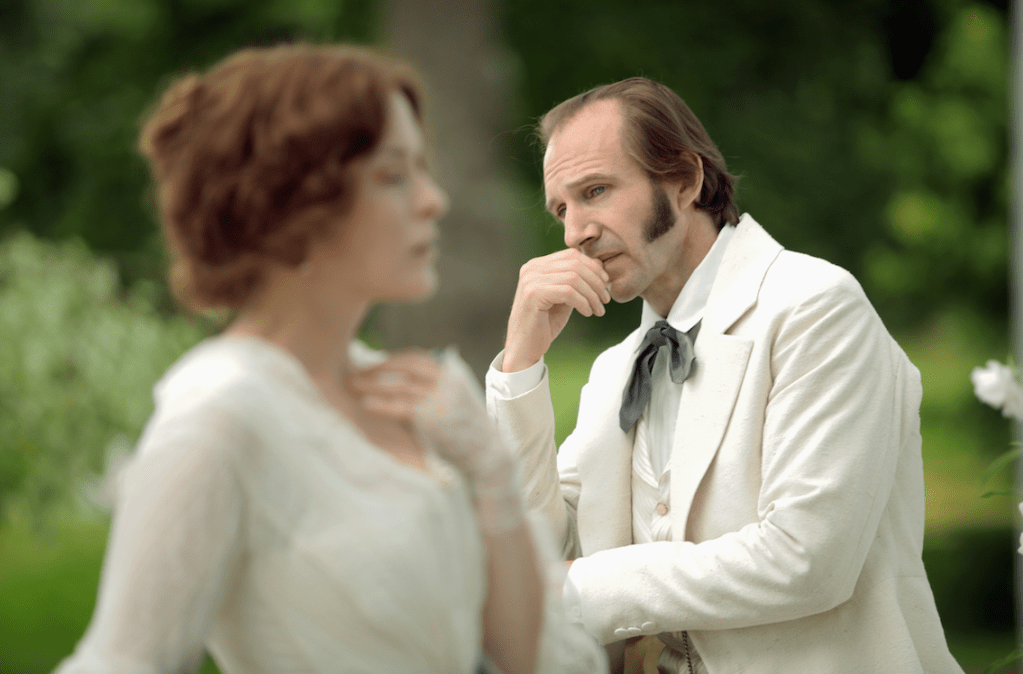
Acclaimed British actor Ralph Fiennes takes an unexpected turn in Two Women, a Russian-language period drama based on Ivan Turgenev’s A Month in the Country. Directed by Vera Glagoleva, the film immerses viewers in the refined, emotionally layered world of 19th-century Russian literature.
With pastoral landscapes, horse-drawn carriages, flowing skirts, and characters caught in webs of unspoken longing, Two Women is rich in classic Russian atmosphere. It’s slow, subtle, and introspective — the opposite of fast-paced modern storytelling. But that’s what drew Fiennes to the role of Rakitin, a man quietly suffering from unrequited love.
In a bold move, Fiennes delivers the performance in Russian — a language he learned specifically for the role.
Ahead of the film’s UK premiere on September 13, Ralph Fiennes sat down with Kristina Moskalenko at Clarke’s in London to discuss working with director Vera Glagoleva, mastering the language for his role, and his impressions of the culture — including the banya, vodka, and the film’s unique emotional restraint.
For fans of Ralph Fiennes, international cinema, or literary adaptations, Two Women offers a rare chance to see these worlds converge — and to hear Fiennes deliver a performance like never before.
Kristina Moskalenko: How did it all start, and why did you want to play Rakitin —devoted but resentful admirer of a married woman?
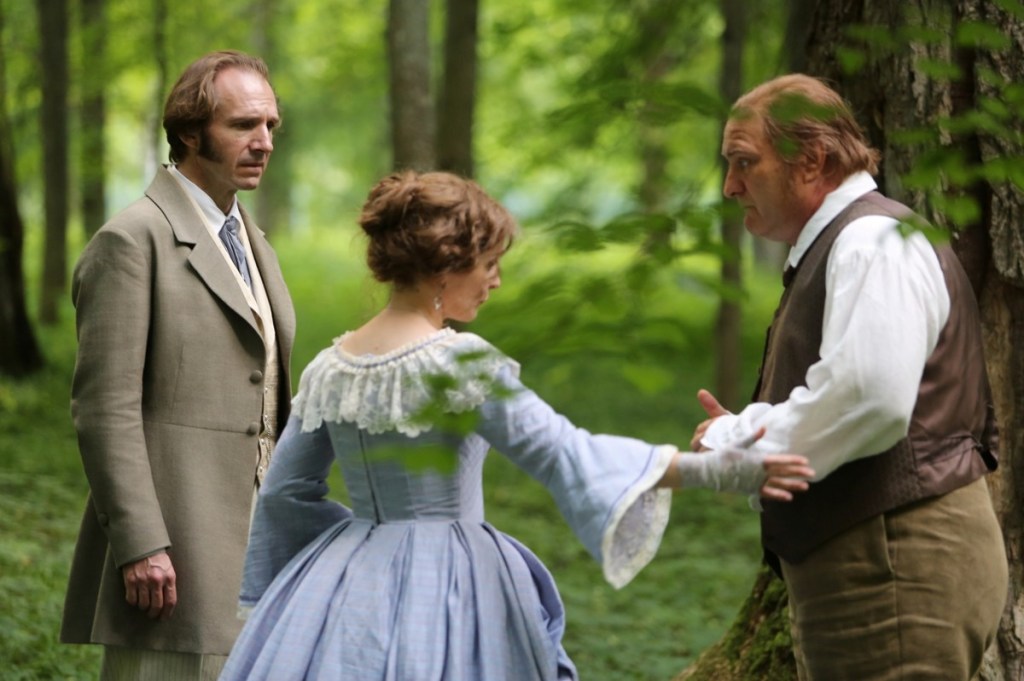
Ralph Fiennes: It was, in a way, a kind of madness. Of course, I really liked Turgenev’s play A Month in the Country, but more than that, I wanted to try something different from what I’d done before. I thought Rakitin could be interesting on screen because you can act with your face, and that’s much more noticeable in film than on stage. And honestly, being offered a role in a classic like this was a compliment. Later, during filming, I did wonder if I should’ve said no, because acting and speaking in Russian was pretty challenging.
Kristina Moskalenko: So you were familiar with the play before being offered the role?
Ralph Fiennes: Absolutely. I’d even seen a theatre production.
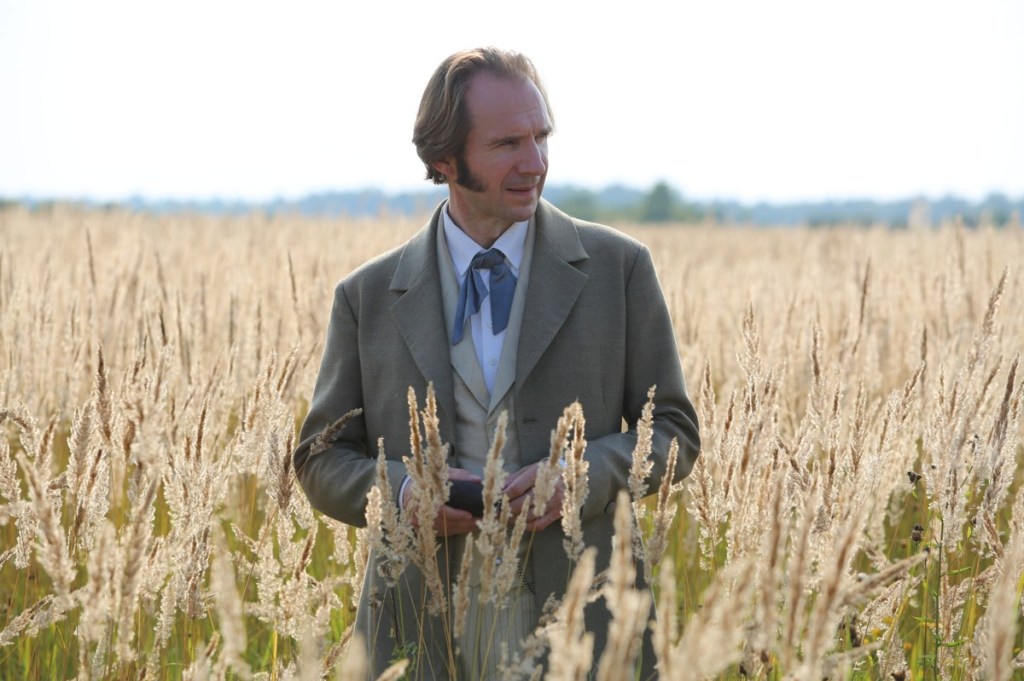
Kristina Moskalenko: When I watched Two Women, I felt a bit frustrated with Rakitin. He’s romantic, honest, and deep, but he doesn’t really fight for his love. His passivity almost makes you not feel sorry for him. What emotions does this character evoke in you?
Ralph Fiennes: I understand that feeling, but for me, that’s exactly the point! He chooses to behave properly and with dignity. As an actor, it’s fascinating to play that contrast — the polished exterior, then the explosive moment when he tells the husband he’s in love with his wife! When the mask falls and the character breaks, I literally felt his agony. The moment a character breaks down is always the most compelling. Overall, it’s a beautiful play full of intimate moments, empty hopes, compromises, small sacrifices, and clever schemes — like the doctor trying to marry off his young ward to a friend to get new horses. That’s life, and we have to accept it.
Kristina Moskalenko: It’s hard to believe, but the woman your character loves is interested in someone else. Have you ever experienced unrequited love in real life?
Ralph Fiennes: Yes.
Kristina Moskalenko: Seriously?!
Ralph Fiennes: Well, not that often (laughs).
Kristina Moskalenko: Are you like Rakitin, sitting back and doing nothing, or do you try to change the situation?
Ralph Fiennes: Sometimes, yes, I try.
Kristina Moskalenko: How?
Ralph Fiennes: I become indifferent. Sometimes it works. But that’s a secret. Taina! (says in Russian).
Kristina Moskalenko: They say all the women on the set of Two Women were in love with you.
Ralph Fiennes: Oh, why didn’t anyone tell me that sooner!
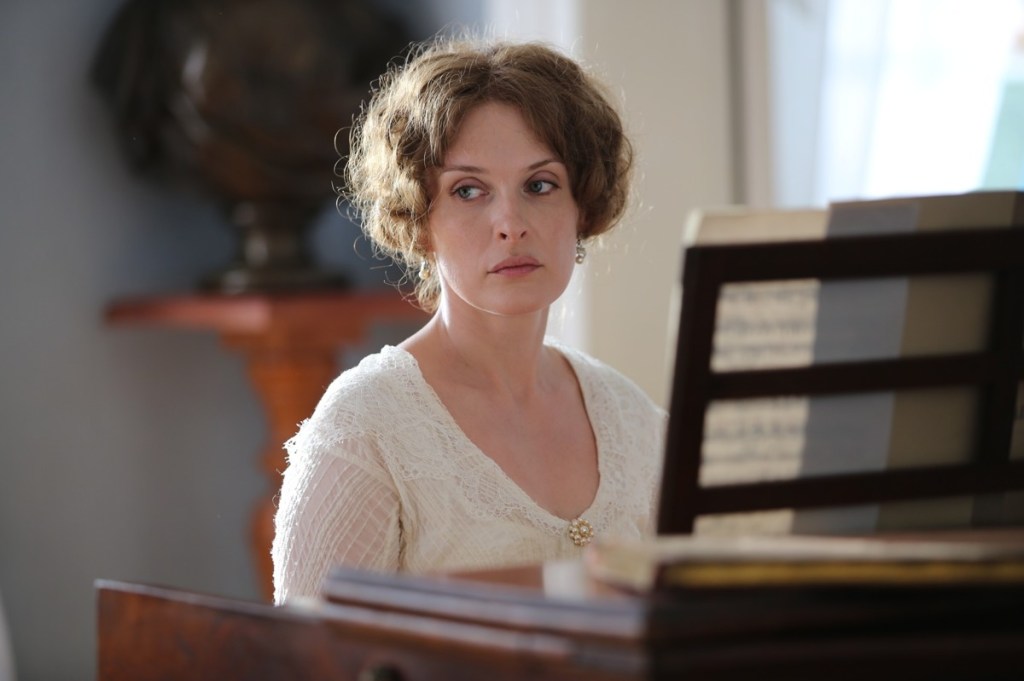
Kristina Moskalenko: Since we’re talking about women, what role would you like to play if you were an actress instead of an actor?
Ralph Fiennes: I need to think about that… A strong woman…
Kristina Moskalenko: Margaret Thatcher?
Ralph Fiennes: No. Leni Riefenstahl. A very talented director who lived under a terrible regime and was part of a monstrous system. But her strength and talent are impressive. From Russian classics, I’d choose to play Nastasya Filippovna from The Idiot.
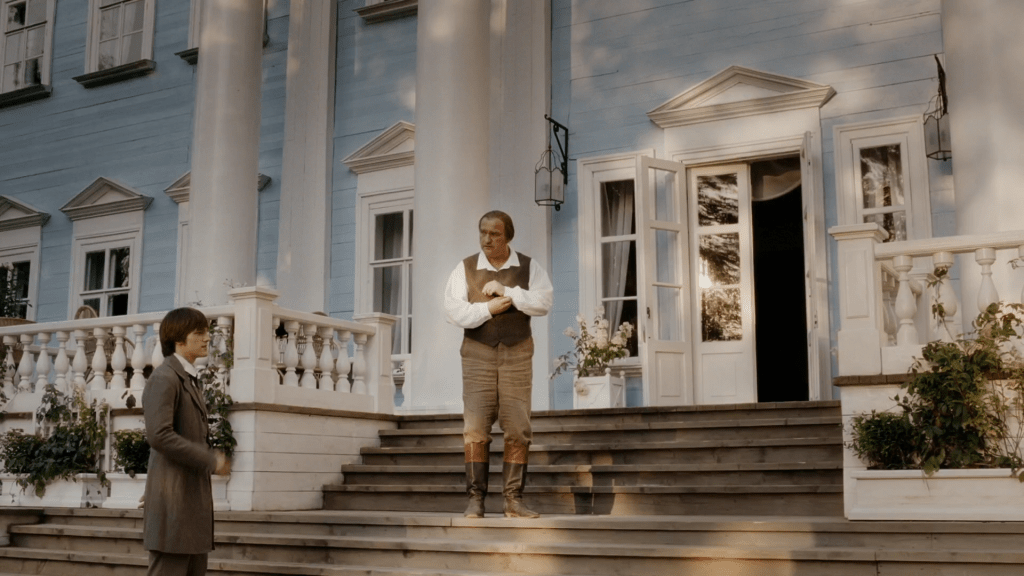
Kristina Moskalenko: How would you describe the filming process of Two Women? After all, it was shot on the grounds of the former Glinka estate, now a museum, near Smolensk. What stood out or stayed with you the most?
Ralph Fiennes: Between takes, I’d ride a bicycle around the area. Sometimes locals would recognise me, invite me into their homes, offer apples and plums from their gardens. We drank tea, vodka, had shashlik, and Vera Vitalievna and I played chess. There was also a banya. I really enjoyed the warmth and kindness of the local people.
Kristina Moskalenko: You’ve played Eugene Onegin, performed in Chekhov plays… It seems like you have a strong connection with Russian classics?
Ralph Fiennes: I really love classical Russian literature. I’d love to act in more of it. But even more, I’d like to explore contemporary Russian writing. Maybe you can help me make a reading list? (laughs) It all started with Onegin. I liked that he was cynical, dangerous, detached. But my favorite Russian author is Dostoevsky. He’s complex, sometimes borderline mad. His exploration of salvation — of people finding grace in inhuman conditions — is fascinating. Crime and Punishment is the best book.
Kristina Moskalenko: Did you watch any Russian films as part of your preparation for the role?
Ralph Fiennes: Yes, a lot. Joseph Kheifits’s The Lady with the Dog is absolutely brilliant.
Kristina Moskalenko: You once mentioned failing your English A-levels quite badly. So how did you manage to learn all your lines in Russian? And why go through that effort if the accent is still there?
Ralph Fiennes: Learning Rakitin’s lines in Russian took forever! We re-recorded several times because some phrases were extremely hard for me. I would’ve gladly agreed to be dubbed — I fully understand how thick my accent is. But then we realized the film couldn’t be sold in the UK without my real voice! So what you hear in the film is the result of painstaking work.
Kristina Moskalenko: Which Russian line was the hardest to pronounce?
Ralph Fiennes: “Почему вы меня оскорбляете?” (“Why are you insulting me?”)
Originally Published at: https://angliya.com/publication/banya-vodka-kino-i-reyf-fayns/
 Articles on film, luxury lifestyle, culture and tech
Leave a comment